
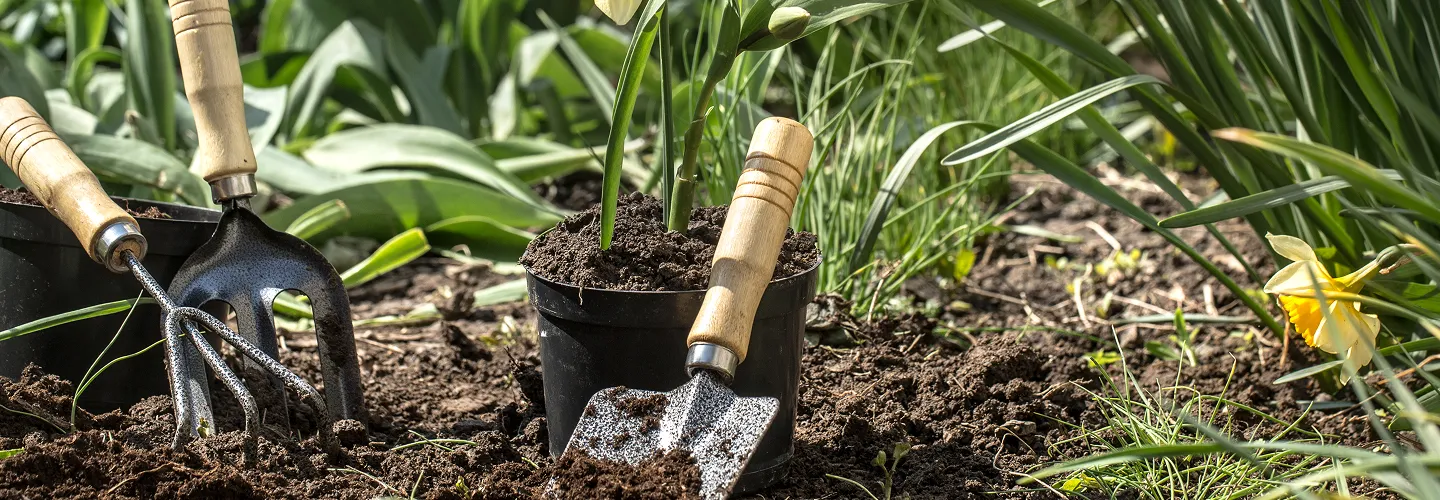
Lackland AFB Brush Removal Services
Choose our expert brush removal services for safe, efficient, and eco-friendly clearing that protects your property and boosts curb appeal—trusted by Lackland AFB residents for reliability and outstanding results.
Get a Free QuoteOur Lackland AFB Landscaping & Yard Care Services
When to Schedule Brush Removal in Lackland AFB, Texas – Seasonal Guide
In Lackland AFB, Texas, timing your brush removal is crucial for maintaining a safe and attractive landscape. The region’s climate features hot, humid summers and mild winters, with rainfall peaking in spring and early fall. For neighborhoods near Valley Hi Drive or the Gateway Hills Golf Course, scheduling brush removal just after the last frost—typically in late February or early March—ensures that dormant vegetation is cleared before new growth begins. This timing also helps reduce fire risk as temperatures rise and humidity drops in late spring and summer.
Local environmental factors such as clay-heavy soils, dense shade from mature oaks, and periodic droughts can influence the best time for service. Areas like the Medina Base Road corridor may experience faster brush accumulation due to wind patterns and proximity to undeveloped land. Always check for municipal guidelines and seasonal restrictions, which can be found on the official city website, to ensure compliance and optimal results.
Local Factors to Consider for Brush Removal in Lackland AFB
- Tree density and type (live oaks, mesquite, etc.)
- Soil composition and drainage
- Recent precipitation and drought conditions
- Frost dates and seasonal temperature shifts
- Shade coverage and sun exposure
- Terrain slope and accessibility
- Local municipal restrictions or burn bans
Benefits of Brush Removal in Lackland AFB

Enhanced Curb Appeal
Improved Property Safety
Reduced Fire Hazards
Healthier Landscape Growth
Increased Usable Space
Eco-Friendly Disposal Practices

Lackland AFB Brush Removal Types

Manual Brush Clearing
-
Mechanical Brush Removal
-
Mulching and Chipping
-
Controlled Burning
-
Herbicide Application
-
Selective Tree Removal
-
Stump Grinding
Our Brush Removal Process
Site Evaluation
Safety Preparation
Brush Clearing
Debris Removal
Final Inspection
Why Choose Lackland AFB Landscape Services
Lackland AFB Homeowners Trust Us
-
Comprehensive Lawn Maintenance
-
Reliable Irrigation Solutions
-
Expert Tree and Shrub Care
-
Seasonal Clean-Up Services
-
Competitive Pricing
-
Professional and Courteous Team
-
Satisfaction Guarantee
Brush Removal Coordination and Debris Disposal Procedures at Lackland AFB
Brush removal at Lackland AFB is governed by strict municipal coordination to ensure safe, efficient, and compliant debris management. The Department of Public Works oversees brush collection, with scheduled pickups every Thursday from April through November. Residents and facility managers must use biodegradable bags or 32-gallon reusable bins for brush under 4 feet in length; plastic bags and branches over 4 inches in diameter are prohibited. All brush must be placed curbside by 7:00 AM on collection day. For large-scale removal or construction-related debris, a permit is required, with a typical review period of 5-10 business days and an application fee of $50. Coordination with the 502nd Civil Engineer Group is necessary for projects impacting infrastructure or requiring heavy equipment access.
502nd Civil Engineer Group
2235 Andrews Ave, Lackland AFB, TX 78236
Phone: (210) 671-5555
Official Website: 502nd Civil Engineer Group
Soil Series and Site Conditions Impacting Brush Removal in Lackland AFB
Lackland AFB is characterized by Houston Black clay and Lewisville silty clay loam soils, as identified by the USDA Web Soil Survey. These soils are expansive, with high clay content, pH ranging from 7.5 to 8.2, and are prone to compaction and poor drainage, especially after heavy rainfall. Brush removal operations must account for these conditions by using tracked or low-ground-pressure equipment to minimize rutting and soil disturbance. When removing brush near drainage swales or stormwater inlets, maintain a 25-foot buffer to prevent sediment runoff. Soil amendments, such as compost incorporation (2-3 inches tilled to 6-inch depth), are recommended after heavy equipment use to restore soil structure. Soil testing is available through Texas A&M AgriLife Extension for $15-25 per sample.
Environmental Compliance and Stormwater Protection for Brush Removal at Lackland AFB
All brush removal activities at Lackland AFB must comply with the Texas Water Code and the facility’s MS4 stormwater permit, which prohibits the disposal of organic debris in storm drains or within 25 feet of wetlands and riparian buffers. The Clean Water Act and EPA Region 6 regulations require that no brush, mulch, or soil be stockpiled in areas subject to runoff. Best practices include:
- Maintain 25-foot no-disturbance zones from all wetlands and drainageways
- Use silt fencing or wattles when working on slopes exceeding 5%
- Schedule removal outside of forecasted rain events (check National Weather Service San Antonio)
- Prohibit burning of brush without explicit written authorization
JBSA Environmental Resources
502 CES/CEIE, 3515 S General McMullen Dr, San Antonio, TX 78226
Phone: (210) 671-4845
Official Website: JBSA Environmental Resources
Equipment Operation Hours and Safety Standards for Brush Removal in Lackland AFB
Brush removal equipment operation at Lackland AFB is regulated to minimize noise and ensure safety. Permitted hours are:
- Monday-Friday: 7:00 AM - 7:00 PM
- Saturday: 8:00 AM - 6:00 PM
- Sunday and holidays: Prohibited All operators must use commercial-grade equipment with functioning mufflers, and noise levels must not exceed 85 decibels at property lines. Personal protective equipment (PPE) is mandatory, including ANSI Z87.1 safety glasses, hearing protection for noise above 85 dB, steel-toed boots, and cut-resistant gloves. Maintain a 15-foot clearance from overhead power lines and a 50-foot buffer from occupied buildings during chipping or grinding operations. For work near public roads, deploy advance warning signs 500 feet from the work zone and use high-visibility vests for all personnel.
JBSA Fire & Emergency Services
Building 2325, 2325 Carswell Ave, Lackland AFB, TX 78236
Phone: (210) 671-2921
Official Website: JBSA Fire & Emergency Services
What Neighborhoods Do We Serve Throughout Lackland AFB, TX?
- Gateway Hills: Features mature oak stands and dense underbrush, requiring careful debris management and adherence to buffer zones near drainageways.
- Kelly Field Annex: Characterized by expansive clay soils and large open lots, with frequent equipment access challenges during wet periods.
- Wherry Housing Area: Contains compacted soils and narrow streets, necessitating smaller equipment and strict compliance with noise ordinances.
- Chaparral Village: Proximity to Leon Creek and protected riparian buffers demands heightened environmental compliance and erosion control measures.
- Medina Training Annex: Includes undeveloped parcels with heavy brush density and wildlife corridors, requiring coordination with environmental staff for habitat protection.
- Airman’s Heritage Park Area: Public access and recreational use require additional safety precautions and scheduling outside of peak visitation hours.
Seasonal Timing and Weather Considerations for Brush Removal in Lackland AFB
Optimal brush removal at Lackland AFB is scheduled during late winter (January 15 - March 15) and late summer (August 15 - September 30), when soil moisture is moderate and vegetation is dormant or less dense. Avoid removal during June-August due to high temperatures (often exceeding 95°F) and increased soil compaction risk. Monitor soil temperature (ideal: 50-65°F) and rainfall forecasts using the National Weather Service San Antonio. For storm debris, emergency removal may be authorized outside standard windows, but must follow all safety and environmental protocols. Frequency of routine brush removal is typically every 2-3 years for high-density areas, with additional cycles after major weather events. Soil restoration and reseeding should be completed before April 15 or after September 30 for best establishment in USDA Hardiness Zone 8b.
For technical guidance, consult Texas A&M AgriLife Extension for region-specific recommendations and soil management resources.