
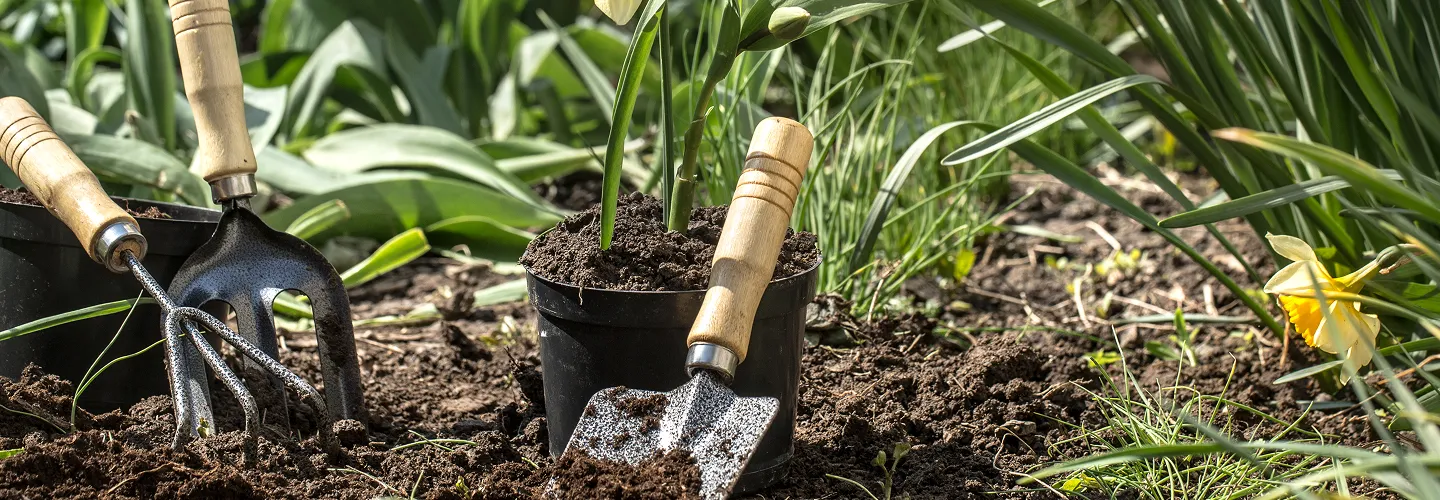
Lackland AFB Plant Removal Services
Choose our plant removal services for prompt, professional results that restore your landscape’s beauty and health—trusted by Lackland AFB residents for reliability and care.
Get a Free QuoteOur Lackland AFB Landscaping & Yard Care Services
When to Schedule Plant Removal in Lackland AFB, Texas – Seasonal Guide
In Lackland AFB, Texas, the best time for plant removal is typically late winter through early spring, before new growth begins and while the ground is still workable. This timing helps minimize stress on your landscape and allows for easier root extraction, especially in neighborhoods like Valley Hi and the areas surrounding Medina Base Road, where soil composition and shade coverage can vary. The region’s climate—marked by hot, humid summers and mild winters—means that scheduling removal before the onset of high temperatures and drought risk is crucial for both safety and landscape health.
Local environmental factors such as average last frost dates, which usually occur in early March, and the prevalence of clay-heavy soils in subdivisions like Lackland Terrace, play a significant role in determining the optimal removal window. Additionally, municipal guidelines and seasonal precipitation patterns should be reviewed on resources like the Sudbury town website to ensure compliance and best practices.
Local Factors to Consider for Plant Removal in Lackland AFB
- Tree and shrub density in your yard
- Soil type (clay, loam, or sandy soils)
- Proximity to landmarks like Kelly Field or Medina Training Annex
- Seasonal precipitation and drought risk
- Shade coverage from mature trees
- Local frost dates and humidity levels
- Municipal restrictions or permit requirements
Benefits of Plant Removal in Lackland AFB

Improved Curb Appeal
Enhanced Property Safety
Prevention of Pest Infestations
Healthier Surrounding Plants
Increased Usable Space
Professional and Efficient Service
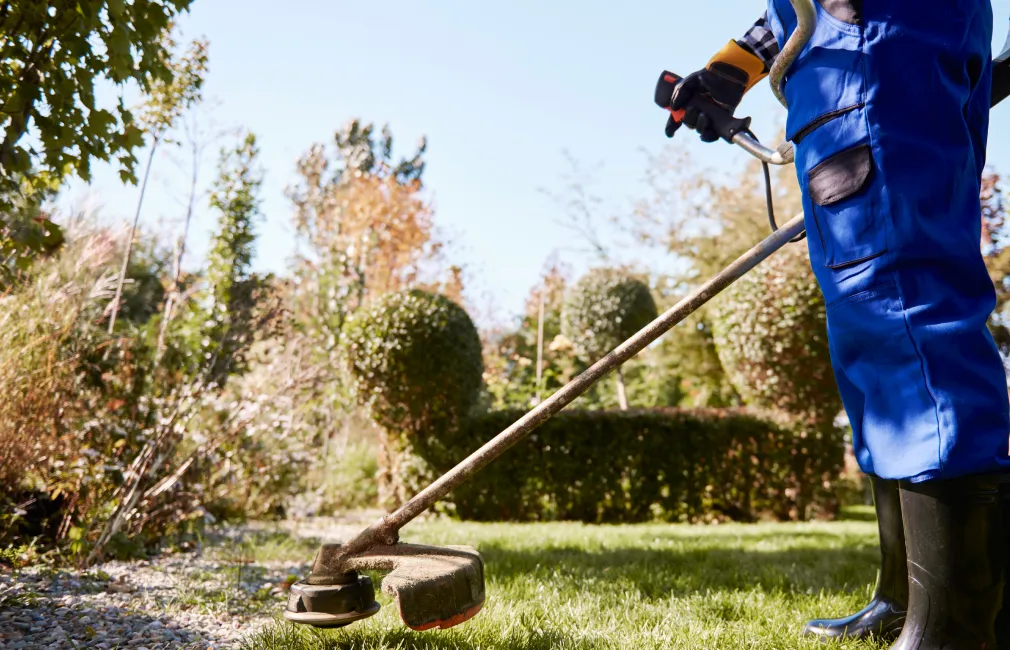
Lackland AFB Plant Removal Types

Tree Removal
-
Shrub Removal
-
Stump Grinding
-
Invasive Species Removal
-
Root System Extraction
-
Groundcover Removal
-
Vegetation Clearing
Our Plant Removal Process
Site Evaluation
Preparation and Safety Measures
Plant Extraction
Debris Removal
Site Restoration
Why Choose Lackland AFB Landscape Services
Lackland AFB Homeowners Trust Us
-
Comprehensive Lawn Maintenance
-
Reliable Irrigation Solutions
-
Expert Tree and Shrub Care
-
Seasonal Clean-Up Services
-
Competitive Pricing
-
Professional and Courteous Team
-
Satisfaction Guarantee
Plant Removal Protocols and Environmental Compliance at Lackland AFB
Plant removal activities at Lackland AFB must adhere to strict environmental compliance standards to protect local ecosystems and water resources. The base is subject to Texas Water Code and Clean Water Act requirements, including MS4 stormwater permit provisions that prohibit the disposal of plant debris in storm drains or within 25 feet of wetlands. All removal work near Leon Creek or Medina River must maintain a 25-foot no-disturbance buffer to prevent sediment and nutrient runoff. Debris generated from plant removal must be collected in biodegradable bags or reusable bins (32-gallon maximum) and disposed of according to base protocols. Coordination with the base’s environmental office is required for projects within protected areas or near sensitive habitats.
JBSA Environmental Resources
2080 Wilson Way, Lackland AFB, TX 78236
Phone: (210) 671-4845
Official Website: JBSA Environmental Resources
Soil Series and Site Assessment for Plant Removal in Lackland AFB
Lackland AFB is characterized by Vertisols and Mollisols, including Houston Black clay and Lewisville silty clay loam, as identified by the USDA Web Soil Survey. These soils are expansive, with high clay content, pH typically ranging from 7.5 to 8.2, and are prone to compaction and poor drainage. Prior to plant removal, a site assessment should include:
- Soil compaction testing (penetrometer readings)
- Drainage evaluation (seasonal water table at 18-24 inches)
- pH testing (recommended through Texas A&M AgriLife Extension, $15-25 per test)
- Identification of underground utilities (call 811 before excavation) Proper removal methods include minimizing heavy equipment use on saturated soils and restoring grade with 2-3 inches of compost tilled to 6-inch depth after removal to improve structure and drainage.
Equipment Operation Hours and Safety Standards for Plant Removal at Lackland AFB
Plant removal operations at Lackland AFB are governed by base noise ordinances and safety protocols. Equipment operation is permitted during the following hours:
- Monday-Friday: 7:00 AM - 7:00 PM
- Saturday: 8:00 AM - 6:00 PM
- Sunday and holidays: Prohibited All personnel must wear ANSI Z87.1 safety glasses, hearing protection for noise above 85 dB, steel-toed boots, and high-visibility vests when working within 50 feet of roadways. Commercial-grade chippers and saws must be equipped with functional mufflers and spark arrestors. Maintain a 15-foot clearance from overhead power lines and a 25-foot buffer from all water bodies. For projects near public infrastructure, coordinate with the base’s civil engineering group.
502nd Civil Engineer Group
2261 Hughes Ave, Lackland AFB, TX 78236
Phone: (210) 671-4845
Official Website: 502nd Civil Engineer Group
Plant Debris Collection and Disposal Procedures at Lackland AFB
Proper disposal of plant debris is essential to maintain environmental compliance and base cleanliness. Lackland AFB schedules weekly plant debris collection every Thursday from April through November. Accepted materials include leaves, grass clippings, and brush under 4 feet in length. Use only biodegradable bags or reusable bins (32-gallon maximum); plastic bags and branches over 4 inches in diameter are prohibited. Debris must be placed curbside by 7:00 AM on collection day. For large-scale removals, coordinate with the Department of Public Works for special pickup or transfer station access. Improper disposal may result in administrative penalties or environmental violations.
Department of Public Works
2080 Wilson Way, Lackland AFB, TX 78236
Phone: (210) 671-4845
Official Website: Department of Public Works
What Neighborhoods Do We Serve Throughout Lackland AFB, TX?
- Gateway Hills: Features mature tree canopies and dense clay soils, requiring careful debris management and attention to drainage during plant removal.
- Kelly Field Annex: Characterized by expansive open spaces and proximity to Leon Creek, necessitating strict buffer compliance and erosion control.
- Wherry Housing Area: Contains compacted soils and smaller lot sizes, with frequent underground utility lines requiring pre-removal site marking.
- Medina Training Annex: Adjacent to protected habitats and training grounds, plant removal here must coordinate with environmental staff to avoid sensitive areas.
- Chaparral Village: Includes newer developments with improved drainage but strict HOA landscaping standards affecting removal timing and debris placement.
- Lackland Terrace: Located near flood-prone zones, requiring additional precautions for debris containment and stormwater compliance.
- Airman’s Heritage Park Area: Public access and historic landscaping features demand careful scheduling and adherence to base preservation guidelines.
State and Federal Environmental Regulations Impacting Plant Removal in Lackland AFB
Plant removal at Lackland AFB is regulated by both state and federal environmental laws. The Texas Water Code mandates protection of water quality, while the Clean Water Act prohibits discharge of pollutants, including plant debris, into navigable waters. The Texas Commission on Environmental Quality (TCEQ) oversees MS4 stormwater permits, requiring best management practices such as silt fencing and vegetative buffers during removal activities. For technical guidance on plant removal and soil management, consult Texas A&M AgriLife Extension. Federal oversight is provided by EPA Region 6, which enforces compliance with national standards. All removal projects must document compliance steps, including buffer maintenance, debris containment, and proper disposal procedures.