
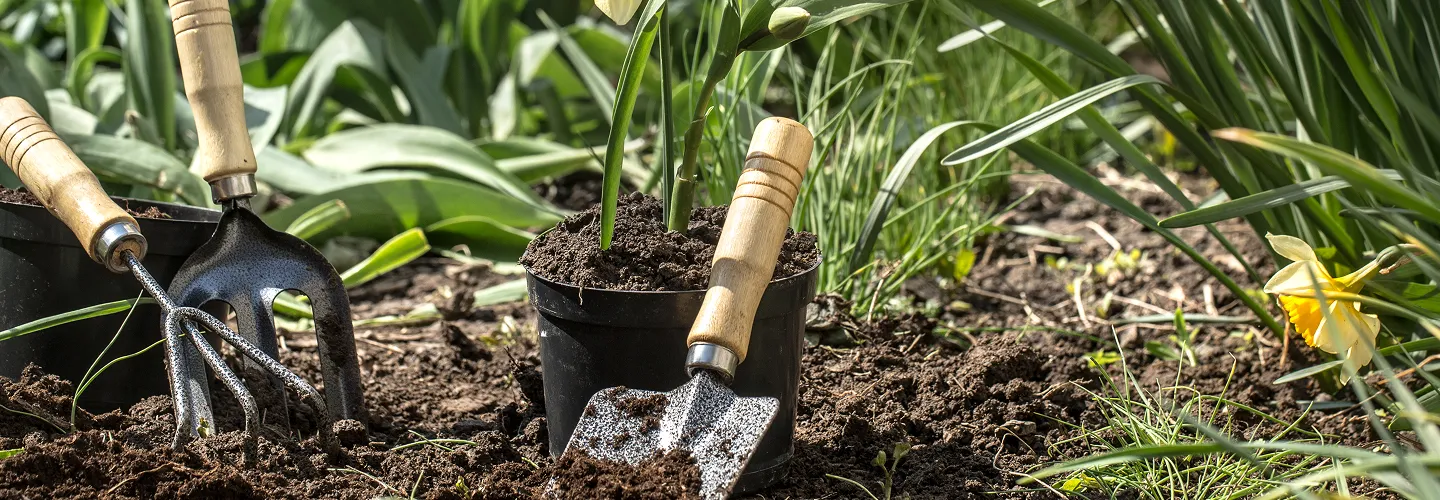
Lackland AFB Lawn Grubs Control Services
Choose our expert Lawn Grubs Control for proven, eco-friendly solutions that restore your lawn’s health and prevent future infestations—trusted by homeowners across Lackland AFB.
Get a Free QuoteOur Lackland AFB Landscaping & Yard Care Services
When to Schedule Lawn Grubs Control in Lackland AFB, Texas – Seasonal Guide
In Lackland AFB, Texas, timing your lawn grubs control is crucial for maintaining a healthy, resilient yard. The best periods for treatment are typically late spring and early fall, when grubs are most vulnerable and before they cause significant damage. Due to our region’s warm climate and variable rainfall, grubs tend to become active after the last frost—usually in early March—and again as soil temperatures rise in late summer. Neighborhoods near Medina Base Road and the Gateway Hills Golf Course often experience higher grub activity due to their mix of shaded lawns and well-irrigated landscapes.
Local environmental factors such as drought risk, high humidity during summer, and the clay-heavy soils common in the Valley Hi and Lackland Terrace areas all influence the ideal timing for grub control. Homeowners should also consider municipal watering restrictions and the unique microclimates created by mature oak and pecan trees. For more information on local environmental guidelines, visit the Sudbury municipal resource.
Local Factors to Consider for Lawn Grubs Control in Lackland AFB
- Tree density and shade coverage, especially in neighborhoods like Valley Hi
- Soil type (clay-heavy soils retain moisture, increasing grub risk)
- Seasonal precipitation patterns and drought advisories
- Proximity to irrigated public spaces (e.g., Gateway Hills Golf Course)
- Municipal watering restrictions and local ordinances
- Frost dates and soil temperature fluctuations
Benefits of Lawn Grubs Control in Lackland AFB

Effective Grub Elimination
Healthier, Greener Lawns
Eco-Friendly Treatment Options
Experienced Landscaping Professionals
Customized Lawn Care Plans
Long-Term Pest Prevention
Lackland AFB Lawn Grubs Control Types

Chemical Grub Control
-
Biological Grub Control
-
Preventative Grub Treatments
-
Organic Grub Solutions
-
Nematode Applications
-
Cultural Lawn Practices
-
Seasonal Grub Monitoring
Our Lawn Grubs Control Process
Inspection and Identification
Customized Treatment Plan
Targeted Application
Monitoring and Follow-Up
Why Choose Lackland AFB Landscape Services
Lackland AFB Homeowners Trust Us
-
Comprehensive Lawn Maintenance
-
Reliable Irrigation Solutions
-
Expert Tree and Shrub Care
-
Seasonal Clean-Up Services
-
Competitive Pricing
-
Professional and Courteous Team
-
Satisfaction Guarantee
Soil Series and Drainage Factors Impacting Lawn Grub Control in Lackland AFB
Lackland AFB’s predominant soils, including Houston Black clay and Lewisville silty clay loam, present unique challenges for lawn grub management. These soils are characterized by high clay content, pH levels ranging from 7.5 to 8.2, and poor drainage, which can create favorable conditions for white grub larvae. Core aeration to a depth of 2-3 inches is recommended to alleviate compaction and improve water infiltration. Soil testing through Texas A&M AgriLife Extension is advised, with typical costs of $15-25 per sample. Amendments such as compost (2-3 inches tilled to 6-inch depth) and lime or sulfur applications may be necessary to adjust pH. For detailed soil mapping, consult the USDA Web Soil Survey. Coordination with base infrastructure is essential for any soil disturbance.
502nd Civil Engineer Group
2235 Andrews Ave, Lackland AFB, TX 78236
Phone: (210) 671-5555
Official Website: 502nd Civil Engineer Group
Optimal Grub Control Timing and Weather Patterns for Lackland AFB Lawns
Effective lawn grub control in Lackland AFB requires precise timing aligned with local weather patterns. The optimal window for preventive treatments is May 15 to July 15, when soil temperatures reach 65°F and larvae are in early developmental stages. Monitor soil temperature using National Weather Service San Antonio forecasts. Avoid applications during periods of heavy rainfall, as runoff can reduce efficacy and increase environmental risk. For cool-season grasses, schedule treatments before the first week of July; for warm-season turf, late May is ideal. Repeat monitoring in September to assess late-season grub activity. Annual application rates should not exceed label instructions, typically 2-3 lbs active ingredient per 1,000 sq ft. Always follow product-specific guidelines and base-wide scheduling protocols.
JBSA Environmental Resources
502 CES/CEIE, 3515 S General McMullen Dr, San Antonio, TX 78226
Phone: (210) 671-4845
Official Website: JBSA Environmental Resources
Municipal Coordination and Disposal Protocols for Grub-Infested Turf at Lackland AFB
Proper disposal of grub-damaged turf and soil is regulated under base environmental protocols to prevent the spread of pests and protect local water quality. All removed sod and soil must be placed in biodegradable bags or 32-gallon reusable bins for Thursday curbside collection, April through November. Prohibited materials include plastic bags and branches over 4 inches in diameter. Disposal sites are designated by the base’s Department of Public Works, and unauthorized dumping is subject to enforcement. Maintain a 25-foot buffer from storm drains and wetlands during removal activities, in compliance with Clean Water Act and Texas Water Code. For collection schedules and site access, coordinate with:
Department of Public Works
2235 Andrews Ave, Lackland AFB, TX 78236
Phone: (210) 671-5555
Official Website: 502nd Civil Engineer Group
Environmental Compliance: Stormwater, Buffer Zones, and State Regulations in Lackland AFB
Lawn grub control activities at Lackland AFB must comply with the Texas Commission on Environmental Quality (TCEQ) MS4 stormwater permit and the Texas Water Code. Application of pesticides is prohibited within 50 feet of water bodies and 25 feet of wetlands. All chemical applications must be performed by licensed personnel, with records maintained for three years. The MS4 permit prohibits any turf debris or chemical runoff from entering storm drains. Buffer zones must be clearly marked, and signage posted during application. For regulatory guidance, consult:
Texas Commission on Environmental Quality
12100 Park 35 Circle, Austin, TX 78753
Phone: (512) 239-1000
Official Website: Texas Commission on Environmental Quality
Safety Standards and Equipment Protocols for Grub Control Operations on Base
All lawn grub control operations at Lackland AFB must adhere to strict safety and equipment standards. Permitted equipment operation hours are:
- Monday-Friday: 7:00 AM - 7:00 PM
- Saturday: 8:00 AM - 6:00 PM
- Sunday and holidays: Prohibited Operators must use commercial-grade spreaders and sprayers, with calibration logs maintained. Required personal protective equipment (PPE) includes:
- ANSI Z87.1 safety glasses
- Hearing protection for noise above 85 dB
- Chemical-resistant gloves
- Steel-toed boots Maintain a 15-foot clearance from all base infrastructure and utilities. All personnel must complete annual safety training through the base’s Environmental Office.
JBSA Environmental Resources
502 CES/CEIE, 3515 S General McMullen Dr, San Antonio, TX 78226
Phone: (210) 671-4845
Official Website: JBSA Environmental Resources
What Neighborhoods Do We Serve Throughout Lackland AFB, TX?
- Gateway Hills: Features dense residential development with compacted clay soils and limited drainage, requiring careful timing and soil amendment for effective grub control.
- Kelly Field Annex: Characterized by open green spaces and proximity to stormwater channels, necessitating strict buffer compliance and runoff prevention during chemical applications.
- Wherry Housing: Contains mature landscaping and older turf, often with higher organic matter and increased grub susceptibility, demanding regular monitoring and early intervention.
- Medina Base: Includes areas adjacent to protected wetlands and conservation zones, where 25-foot no-disturbance buffers and manual removal methods are often required.
- Chaparral Village: Noted for newer construction and fill soils, which may have variable pH and compaction, impacting both grub activity and treatment efficacy.
- Lackland Terrace: Features smaller lots and higher building density, requiring precise application and adherence to equipment operation hours to minimize disturbance.
- Valley Hi North: Located near major roadways and utility corridors, presenting access challenges and the need for enhanced safety protocols during service delivery.