
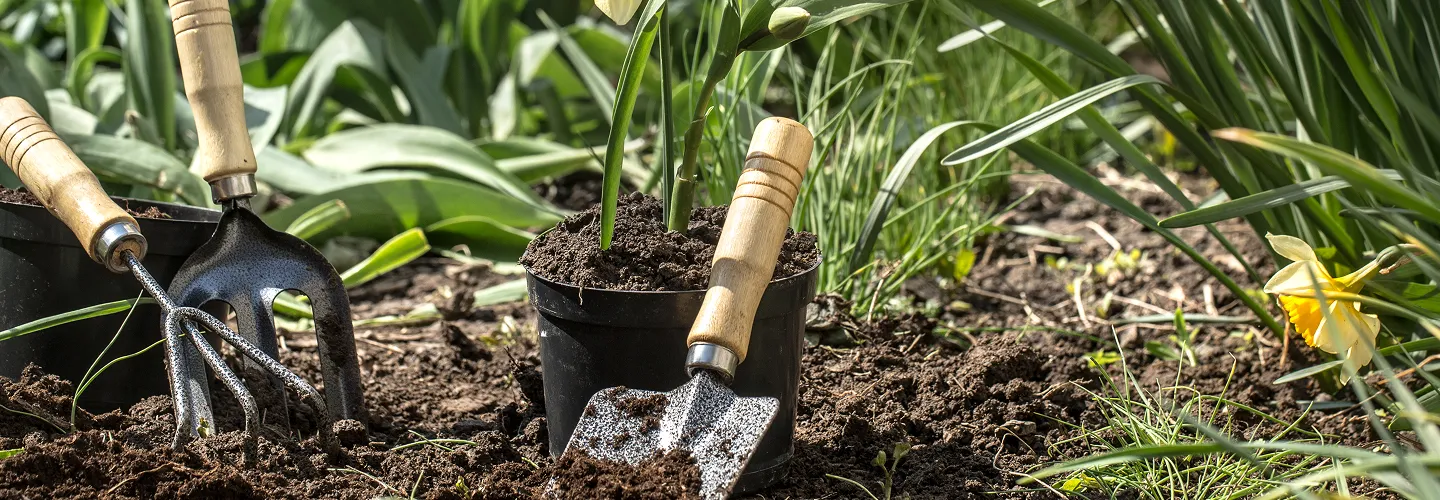
Lackland AFB Flower Bed Maintenance Services
Choose our Flower Bed Maintenance for expert care that keeps your beds blooming, weed-free, and healthy all season long—so you can enjoy a stunning landscape without the hassle.
Get a Free QuoteOur Lackland AFB Landscaping & Yard Care Services
When to Schedule Flower Bed Maintenance in Lackland AFB, Texas – Seasonal Guide
In Lackland AFB, Texas, the timing of flower bed maintenance is crucial for achieving vibrant, healthy landscapes throughout the year. The region’s subtropical climate, characterized by hot summers, mild winters, and variable rainfall, means that optimal maintenance windows differ from those in other parts of the country. For neighborhoods near Valley Hi North and the Gateway Hills Golf Course, early spring and late fall are typically the best times to refresh mulch, prune perennials, and address soil health, as these periods avoid the extremes of summer heat and winter chill.
Local environmental factors play a significant role in determining the best schedule for flower bed care. For example, the last frost date in Lackland AFB usually falls in early March, making late winter an ideal time for prepping beds and planting hardy annuals. Areas with dense shade from mature oaks, such as those near Medina Base Road, may require more frequent debris removal and soil aeration due to higher humidity and slower evaporation. Additionally, the risk of drought during late summer months means irrigation planning is essential. For more information on local climate and municipal guidelines, visit the Sudbury town website.
Local Factors to Consider for Flower Bed Maintenance in Lackland AFB
- Tree density and shade coverage, especially in established neighborhoods
- Soil type and drainage, which can vary between clay-heavy and sandy soils
- Seasonal precipitation patterns and drought risk
- Proximity to landmarks like Kelly Field and Medina Training Annex
- Municipal restrictions on watering and landscaping during dry periods
- Terrain variations, including sloped yards and low-lying areas prone to pooling
Benefits of Flower Bed Maintenance in Lackland AFB
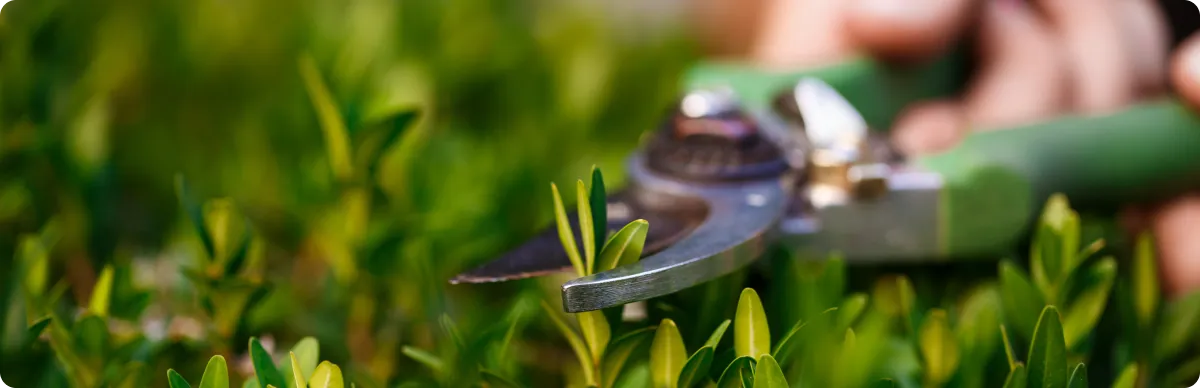
Enhanced Curb Appeal
Weed and Pest Control
Healthier Plant Growth
Seasonal Color Management
Professional Landscaping Expertise
Time and Effort Savings
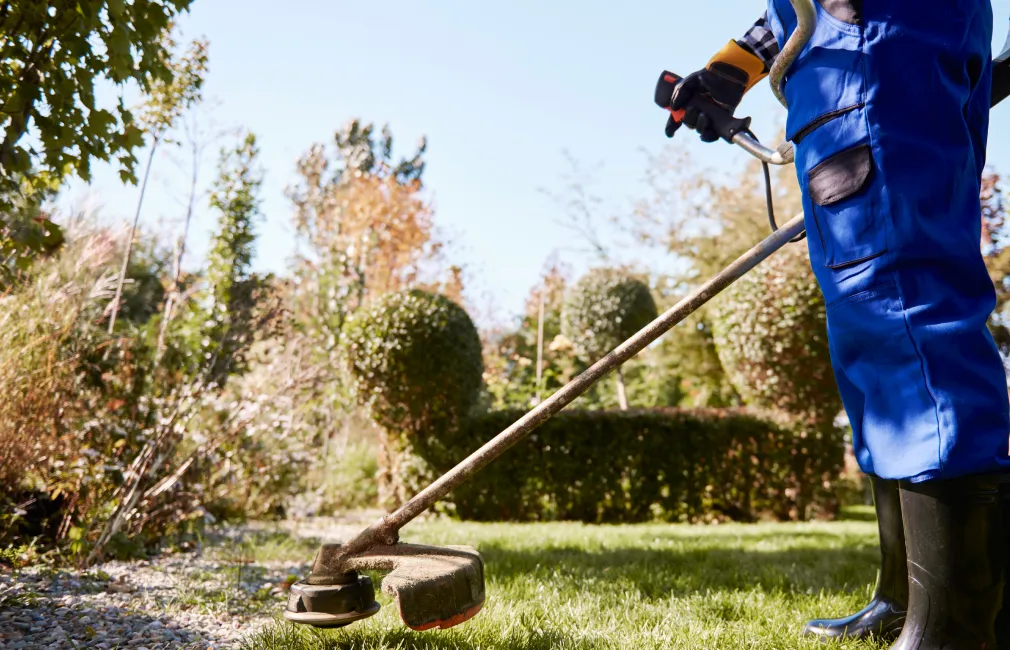
Lackland AFB Flower Bed Maintenance Types

Seasonal Flower Planting
Enhance curb appeal with vibrant seasonal blooms tailored to each time of year.
-
Weed Control Services
Keep flower beds healthy and attractive by eliminating invasive weeds regularly.
-
Mulching and Soil Conditioning
Improve soil health and moisture retention with professional mulching and conditioning.
-
Pruning and Deadheading
Promote healthy growth and continuous blooming through expert pruning techniques.
-
Fertilization Programs
Boost plant vitality and color with customized fertilization schedules.
-
Pest and Disease Management
Protect flower beds from pests and diseases using safe, effective treatments.
-
Irrigation System Maintenance
Ensure optimal watering with regular inspection and adjustment of irrigation systems.
Our Flower Bed Maintenance Process
Site Evaluation
Weed Removal
Soil Preparation
Plant Care
Mulching
Why Choose Lackland AFB Landscape Services
Lackland AFB Homeowners Trust Us
-
Comprehensive Lawn Maintenance
-
Reliable Irrigation Solutions
-
Expert Tree and Shrub Care
-
Seasonal Clean-Up Services
-
Competitive Pricing
-
Professional and Courteous Team
-
Satisfaction Guarantee
Soil Series and Drainage Considerations for Flower Beds on Lackland AFB
Flower bed maintenance at Lackland AFB requires careful attention to the region’s predominant soil types, which include Houston Black clay and Lewisville silty clay loam, as identified by the USDA Web Soil Survey. These soils are characterized by high clay content, pH levels typically ranging from 7.5 to 8.2, and poor to moderate drainage, leading to compaction and water retention challenges. To promote healthy root development and prevent standing water, it is recommended to incorporate 2-3 inches of compost tilled to a 6-inch depth and to perform core aeration every 2-3 years. Soil testing through Texas A&M AgriLife Extension (cost: $15-25) is advised to determine amendment needs. Mulching with 2-3 inches of organic material helps regulate soil moisture and temperature, especially during the hot summers typical of USDA Hardiness Zone 9a.
Municipal Coordination and Debris Disposal Protocols for Lackland AFB Flower Beds
Proper disposal of flower bed debris on Lackland AFB is governed by base-specific protocols and municipal coordination. Weekly green waste collection is scheduled every Thursday from April through November. Acceptable materials include leaves, stems, and non-woody plant debris, which must be placed in biodegradable bags or 32-gallon reusable bins; plastic bags and branches over 4 inches in diameter are prohibited. For large-scale cleanups, coordinate with the Department of Public Works for special pickup arrangements.
502nd Civil Engineer Group
2235 Andrews Ave, Lackland AFB, TX 78236
Phone: (210) 671-5555
Official Website: 502nd Civil Engineer Group
All maintenance activities must comply with base ordinances regarding equipment operation:
- Monday-Friday: 7:00 AM - 7:00 PM
- Saturday: 8:00 AM - 6:00 PM
- Sunday and holidays: Prohibited
Environmental Compliance: Stormwater, Buffer Zones, and State Regulations
Flower bed maintenance on Lackland AFB must adhere to Texas Water Code and Clean Water Act requirements, including the MS4 permit prohibiting discharge of plant debris or chemicals into storm drains. Maintain a 25-foot no-disturbance buffer from wetlands and a 50-foot setback from any open water body. Fertilizer and pesticide applications are restricted within these buffer zones to prevent runoff. Only products registered with the EPA and Texas Commission on Environmental Quality may be used, and all applications must follow label rates and timing. For further guidance, consult:
JBSA Environmental Resources
2080 Wilson Way, Lackland AFB, TX 78236
Phone: (210) 671-4845
Official Website: JBSA Environmental Resources
Texas Commission on Environmental Quality
12100 Park 35 Circle, Austin, TX 78753
Phone: (512) 239-1000
Official Website: Texas Commission on Environmental Quality
Plant Selection and Seasonal Timing for Lackland AFB’s Climate Zone 9a
Selecting appropriate species and timing maintenance tasks is critical for sustainable flower beds in Lackland AFB’s USDA Hardiness Zone 9a. Recommended species for full sun include black-eyed Susan (Rudbeckia hirta), purple coneflower (Echinacea purpurea), and daylily (Hemerocallis spp.), while coral bells (Heuchera spp.) and hosta (Hosta spp.) perform well in partial shade. Native options such as wild bergamot (Monarda fistulosa) and cardinal flower (Lobelia cardinalis) support pollinators and require less irrigation. Planting is best scheduled for mid-October through early March, when soil temperatures range from 50°F to 65°F. Mulching and irrigation should be adjusted seasonally to account for summer heat and periodic drought. For detailed planting calendars and species lists, refer to Texas A&M AgriLife Extension.
- Full sun: Black-eyed Susan, coneflower, daylily
- Partial shade: Coral bells, astilbe, hosta
- Native: Wild bergamot, cardinal flower
- Planting window: October 15 – March 1
Safety Protocols and Equipment Standards for Flower Bed Maintenance on Base
All flower bed maintenance on Lackland AFB must comply with base safety standards and equipment protocols. Personnel are required to wear ANSI Z87.1-rated safety glasses, hearing protection for equipment exceeding 85 dB, steel-toed boots, and cut-resistant gloves for pruning. Commercial-grade 4-stroke trimmers and mowers are mandated, with blade sharpening every 20-25 hours of use. Maintain a 15-foot clearance from overhead utilities and a 25-foot buffer from fire hydrants and emergency access routes. For work near roadways or high-traffic areas, high-visibility vests and advance warning signage are required. Safety oversight is provided by:
JBSA Fire & Emergency Services
2330 Carswell Ave, Lackland AFB, TX 78236
Phone: (210) 671-2921
Official Website: JBSA Fire & Emergency Services
What Neighborhoods Do We Serve Throughout Lackland AFB, TX?
- Gateway Hills: Features dense residential development with compacted clay soils and moderate drainage, requiring frequent soil amendment and careful irrigation management.
- Kelly Field Annex: Characterized by large open spaces, proximity to airfield infrastructure, and exposure to wind, necessitating wind-tolerant plant selections and erosion control measures.
- Wherry Housing: Contains mature landscaping and established trees, with shade and root competition affecting flower bed placement and species choice.
- Medina Base: Located near protected natural areas and drainage channels, subject to strict buffer zone enforcement and stormwater compliance.
- Chaparral Housing: Newer development with improved drainage infrastructure but higher soil alkalinity, requiring pH adjustment and regular soil testing.
- Security Hill: Elevated terrain with slope management challenges, necessitating erosion control and terracing for stable flower bed installation.
- Lackland Training Annex: Includes institutional and recreational areas with heavy foot traffic, demanding durable, low-maintenance plantings and reinforced bed edges.