
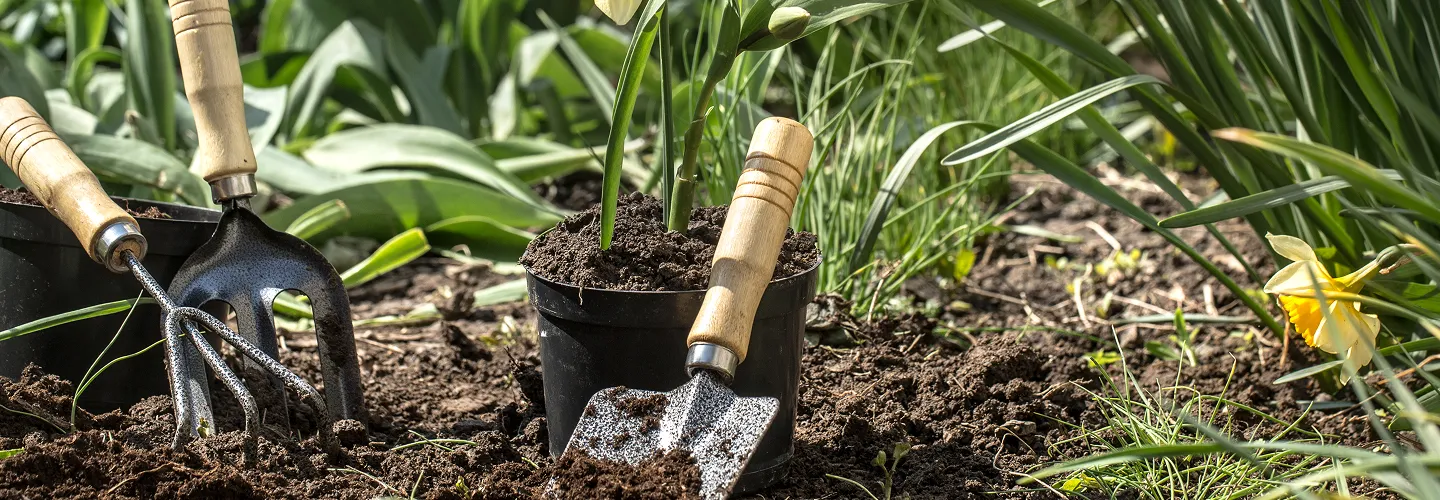
Lackland AFB Flower Planting Services
Choose our flower planting services for vibrant, expertly arranged blooms that enhance curb appeal, support local pollinators, and bring lasting beauty to your outdoor spaces.
Get a Free QuoteOur Lackland AFB Landscaping & Yard Care Services
When to Schedule Flower Planting in Lackland AFB, Texas – Seasonal Guide
Flower planting in Lackland AFB, Texas, is best scheduled with careful attention to the region’s unique climate and landscape. The optimal planting windows are typically early spring (late February to early April) and early fall (late September to October), when temperatures are moderate and rainfall is more predictable. Given the proximity to neighborhoods like Valley Hi North and the influence of the San Antonio River, microclimates can affect soil moisture and temperature, making timing even more important.
Local environmental factors such as the last frost date—usually in early March—should guide your planting schedule. The area’s clay-heavy soils, common in communities near Medina Base Road, require good drainage and may benefit from soil amendments. Drought risk increases in late spring and summer, so choosing drought-tolerant varieties and considering shade from mature oaks in areas like Gateway Terrace can help ensure success. For more information on local planting guidelines and municipal considerations, visit the Sudbury town resources.
Local Factors to Consider for Flower Planting in Lackland AFB
- Tree density and available shade, especially near established neighborhoods
- Soil type and drainage, particularly in clay-rich areas
- Average precipitation and seasonal drought risk
- Frost dates and temperature fluctuations
- Terrain slope and water runoff patterns
- Municipal restrictions or watering schedules
Benefits of Flower Planting in Lackland AFB
Enhanced Curb Appeal
Expert Plant Selection
Seasonal Color Variety
Low-Maintenance Solutions
Eco-Friendly Landscaping
Increased Property Value
Lackland AFB Flower Planting Types

Annual Flower Beds
-
Perennial Gardens
-
Native Texas Wildflowers
-
Shade-Tolerant Plantings
-
Pollinator-Friendly Gardens
-
Drought-Resistant Flower Beds
-
Seasonal Color Displays
Our Flower Planting Process
Site Evaluation
Soil Preparation
Plant Selection
Careful Planting
Watering and Mulching
Why Choose Lackland AFB Landscape Services
Lackland AFB Homeowners Trust Us
-
Comprehensive Lawn Maintenance
-
Reliable Irrigation Solutions
-
Expert Tree and Shrub Care
-
Seasonal Clean-Up Services
-
Competitive Pricing
-
Professional and Courteous Team
-
Satisfaction Guarantee
Soil Series and Drainage Considerations for Flower Planting in Lackland AFB
Flower planting at Lackland AFB requires careful assessment of local soil conditions, which are predominantly Houston Black clay and Lewisville silty clay loam according to the USDA Web Soil Survey. These soils are characterized by high clay content, moderate to poor drainage, and a pH range of 7.2-8.0, which can impact root development and nutrient uptake. To improve planting success, it is recommended to incorporate 2-3 inches of compost tilled to a 6-inch depth and to conduct a soil test through Texas A&M AgriLife Extension (typical cost: $15-25). Key soil amendment steps include:
- Lime application only if pH is below 6.0 (rare in this region)
- Sulfur application for pH above 7.5
- Regular organic matter incorporation
Proper drainage management is essential, especially in low-lying areas prone to seasonal waterlogging. For technical guidance, coordinate with the base’s engineering staff.
502nd Civil Engineer Group
2235 Andrews Ave, Lackland AFB, TX 78236
Phone: (210) 671-4845
Official Website: 502nd Civil Engineer Group
Optimal Planting Windows and Climate Zone Guidance for Lackland AFB
Lackland AFB is situated in USDA Hardiness Zone 8b, with average annual minimum temperatures of 15-20°F. The optimal window for flower planting is from March 1 to April 15 for spring annuals and perennials, and from September 15 to October 31 for fall installations. Soil temperatures should be consistently above 50°F for spring planting. The National Weather Service San Antonio Office provides up-to-date soil and air temperature data to guide timing. Key timing recommendations include:
- Spring planting: March 1 – April 15 (soil temp 50-65°F)
- Fall planting: September 15 – October 31 (before first frost)
- Avoid planting June-August due to heat stress
Monitor local forecasts for rainfall and temperature fluctuations to ensure successful establishment. For additional climate-specific advice, consult the Texas A&M AgriLife Extension.
Native and Adaptive Flower Species Selection for Lackland AFB Landscapes
Selecting flower species for Lackland AFB should prioritize drought tolerance, deer resistance, and adaptability to alkaline clay soils. Recommended species include:
- Full sun: Black-eyed Susan (Rudbeckia hirta), purple coneflower (Echinacea purpurea), daylily (Hemerocallis spp.)
- Partial shade: Coral bells (Heuchera spp.), Turk’s cap (Malvaviscus arboreus), hosta (Hosta spp.)
- Deer resistant: Lavender (Lavandula spp.), Russian sage (Perovskia atriplicifolia), salvia (Salvia greggii)
- Native options: Winecup (Callirhoe involucrata), mealy blue sage (Salvia farinacea), Texas bluebonnet (Lupinus texensis)
Spacing should be 12-18 inches for bedding plants and 18-24 inches for larger perennials. For plant selection guidance and diagnostic support, utilize Texas A&M AgriLife Extension resources.
Municipal Coordination and Environmental Compliance for Flower Planting at Lackland AFB
All flower planting activities at Lackland AFB must comply with base environmental policies and federal stormwater regulations under the Clean Water Act. The base’s MS4 permit prohibits soil, mulch, or plant debris from entering storm drains. Maintain a 25-foot buffer from wetlands and drainage ditches, and avoid fertilizer application within 50 feet of water bodies. Key compliance steps include:
- Weekly green waste collection: Thursdays, April–November
- Use biodegradable bags or 32-gallon bins for plant debris
- Prohibited: Plastic bags, branches over 4 inches diameter
- No-disturbance buffer: 25 feet from wetlands
For environmental guidance and reporting, coordinate with the base’s environmental office.
JBSA Environmental Resources
502 CES/CEIE, 3515 S. General McMullen Dr., Lackland AFB, TX 78236
Phone: (210) 671-4845
Official Website: JBSA Environmental Resources
State-level compliance is governed by the Texas Water Code and Texas Commission on Environmental Quality MS4 program. For further regulatory information, consult EPA Region 6.
Safety Protocols and Equipment Standards for Flower Planting Operations in Lackland AFB
Flower planting operations at Lackland AFB must adhere to strict safety and equipment standards. All personnel are required to wear:
- Eye protection: ANSI Z87.1 safety glasses
- Hearing protection: Earmuffs or plugs for equipment over 85 dB
- Footwear: Steel-toed boots with non-slip soles
- Gloves: Cut-resistant for planting, chemical-resistant for fertilizer or pesticide use
Equipment operation is permitted during the following hours:
- Monday-Friday: 7:00 AM – 7:00 PM
- Saturday: 8:00 AM – 6:00 PM
- Sunday and holidays: Prohibited
Maintain a 15-foot clearance from overhead utilities and a 25-foot buffer from wetlands. All powered equipment must be commercial-grade and maintained per manufacturer specifications. For safety oversight and emergency response, coordinate with base fire and emergency services.
JBSA Fire & Emergency Services
Building 2325, 2430 Carswell Ave, Lackland AFB, TX 78236
Phone: (210) 671-2921
Official Website: JBSA Fire & Emergency Services
What Neighborhoods Do We Serve Throughout Lackland AFB, TX?
- Gateway Hills: Features dense residential development with compacted soils and limited green space, requiring careful soil amendment and drainage management for successful flower planting.
- Kelly Field Annex: Characterized by expansive open areas and proximity to airfield infrastructure, presenting unique challenges for irrigation and wind exposure.
- Wherry Housing Area: Contains mature landscaping and established trees, necessitating shade-tolerant species and attention to root competition.
- Medina Training Annex: Includes training grounds and conservation areas, where planting must comply with buffer requirements and avoid disturbance of protected habitats.
- Chaparral Village: Newer development with improved drainage but higher soil alkalinity, making species selection and pH adjustment critical.
- Lackland Terrace: Older neighborhood with variable lot sizes and occasional flooding, requiring raised beds and flood-tolerant plant choices.
- Security Hill: Elevated area with rocky soils and limited topsoil, demanding specialized planting techniques and drought-adapted species.